
Relocating to the Kingdom of Saudi Arabia is a major life transition that involves significant planning, especially regarding the legal entry of your household goods. Whether you are an expatriate moving for work or a family starting a new chapter, understanding the updated customs rules for shipping personal belongings to Saudi Arabia is essential to ensure your items arrive safely and without legal complications. The customs process in the Kingdom is known for being thorough, and navigating these regulations requires precision and the right documentation.
By working with professional relocation experts like KIM International Movers, you can benefit from their “Keen, Insightful, and Mindful” approach to customs clearance, which helps manage the entire end-to-end process and minimizes the risk of delays.
Mandatory Documentation For A Smooth Transition
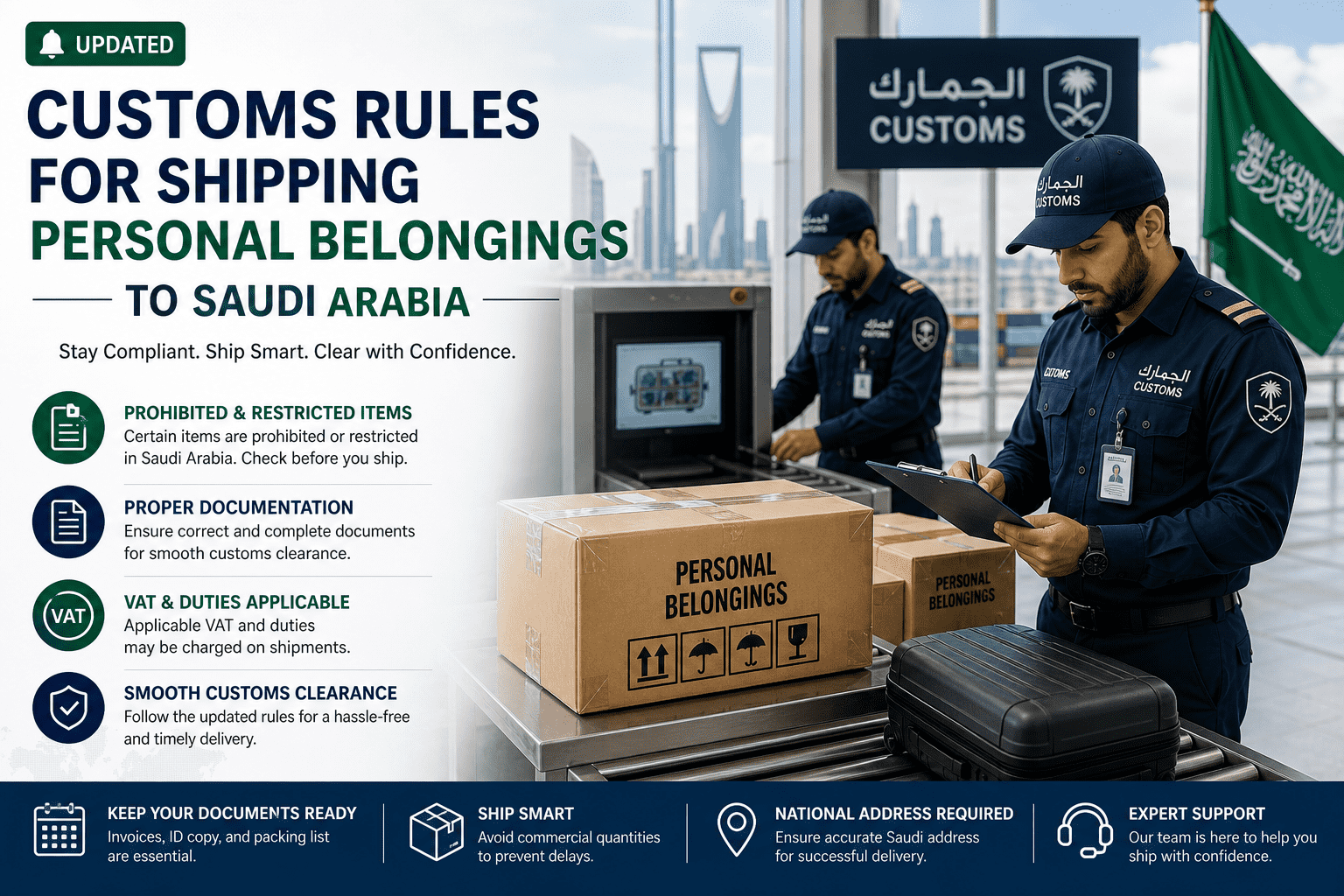
The first step in complying with Saudi customs is gathering the correct paperwork. Missing or incorrect documents are one of the most common causes of delays at the port. To clear your personal belongings, you will typically need to provide several key items:
- Passport and residence permit (Iqama): You must provide copies of your passport and your Saudi residence permit, known as an Iqama, to verify your legal status to import goods.
- Packing list and detailed inventory: A comprehensive list of every item you are shipping is mandatory. This list should be clear and, if possible, utilize color-coding to identify which rooms the items belong to, which also helps with the unpacking process.
- Shipping authorization: Official documents authorizing the shipment of your goods into the Kingdom are required.
- Destination Customs Forms: You will need to complete specific forms required by Saudi Arabian customs authorities.
Professional movers handle these “export and import formalities,” communicating directly with the authorities to ensure your paperwork meets all current standards.
Customs Rules For Shipping Personal Belongings To Saudi Arabia
Saudi Arabia maintains strict laws regarding what can be brought into the country to ensure safety and respect for local cultural and religious values. It is vital to distinguish between items that are completely prohibited and those that are merely restricted and require special permission.
Prohibited Items (Banned Entirely)
- Alcohol and pork products: These are strictly forbidden under Saudi law and should never be included in your shipment.
- Religious materials: Any items or literature that conflict with local laws or Islamic teachings are prohibited.
- Weapons and ammunition: Firearms and weapons of any kind are strictly banned from personal shipments.
Restricted Items (Require Special Guidance)
- Drones: These are often restricted and may require specific government permits to enter the country.
- Fine art and antiques: While allowed, these items require expert handling and proper documentation to prove they are not being imported for commercial resale.
- New electronics: Importing large quantities of new electronics may attract duties; used household electronics are generally allowed as part of your personal effects.
Safety First: Hazardous Materials and Combustibles
One of the most important aspects of the customs rules for shipping personal belongings to Saudi Arabia involves safety during transit. Certain common household items are considered “hazardous” because they can become dangerous when stored in a hot shipping container or a moving truck.
Licensed movers, including us, will not move hazardous or combustible items. These include:
- Propane tanks and gas cylinders.
- Firearms.
- Paint and paint thinners.
- Aerosols (such as hairspray or spray paint).
The extreme temperatures found in shipping containers during their journey can cause these items to explode or ignite, posing a massive risk to the entire shipment. Furthermore, packing “innocent” items like nail polish remover or automotive maintenance products without the mover’s knowledge can limit the moving company’s liability if a spill or accident occurs.
Valuables And Personal Items: What To Carry With You
While our team will take every precaution to protect your goods, there are certain items that should never be placed in a shipping container. The sources strongly recommend that you remain entirely responsible for the transit of your most sensitive valuables.
You should personally carry:
- Money and jewelry.
- Important documents: This includes your original passports, birth certificates, and car log books.
- Carton strategy: Make a special carton labeled “DO NOT REMOVE” for these vital documents and keep it with you at all times during the move.
Packing Standards And Customs Compliance
How your goods are packed can actually affect how quickly they pass through customs. High-quality, professional packing not only prevents damage but also shows customs officers that the shipment is organized and compliant.
Professional movers use export-grade materials, such as:
- Double-layered cartons for fragile items.
- Wooden crating for electronics and high-value art.
- Silica gel and superdry sticks to protect against moisture and corrosion during long sea voyages.
- Moisture-resistant wrapping for items traveling via sea freight.
By using a methodical step-by-step process, sorting materials by category, and using 360-degree protection, we ensure your cargo stays intact and safe against shock and vibration.
The Role Of Transit Insurance
Even with the best planning and packing, international shipping involves risks like inclement weather or mechanical breakdowns. Transit insurance (moving insurance) is highly recommended to protect your investment. Most reputable movers work with approved marine cargo insurers to offer coverage for any eventuality during the move. It is important to note that if you choose to “self-pack” your boxes, it may be much more difficult to establish an insurance claim if the items inside are damaged, as the mover cannot verify how the items were originally secured.
Successfully moving to the Kingdom requires a deep understanding of the updated customs rules for shipping personal belongings to Saudi Arabia. This will avoid unnecessary delays, penalties, or the confiscation of your items. From ensuring your passport and Iqama are ready to carefully excluding prohibited items like alcohol or hazardous aerosols, every detail counts. By partnering with KIM International Movers, you are choosing a team that is “quality compliant” and experienced in “seamless customs clearance.”
Their end-to-end solutions take the burden of logistics off your shoulders, allowing you to focus on settling into your new home in Riyadh, Jeddah, or Dammam. Whether you are shipping used furniture, a family vehicle, or delicate heirlooms, adhering to the customs rules for shipping personal belongings to Saudi Arabia ensures that your relocation is as stress-free and efficient as possible.
Reach out for a free quote today to start your journey with peace of mind.